

Crowns vs. Veneers: When Your Dentist Recommends Each One

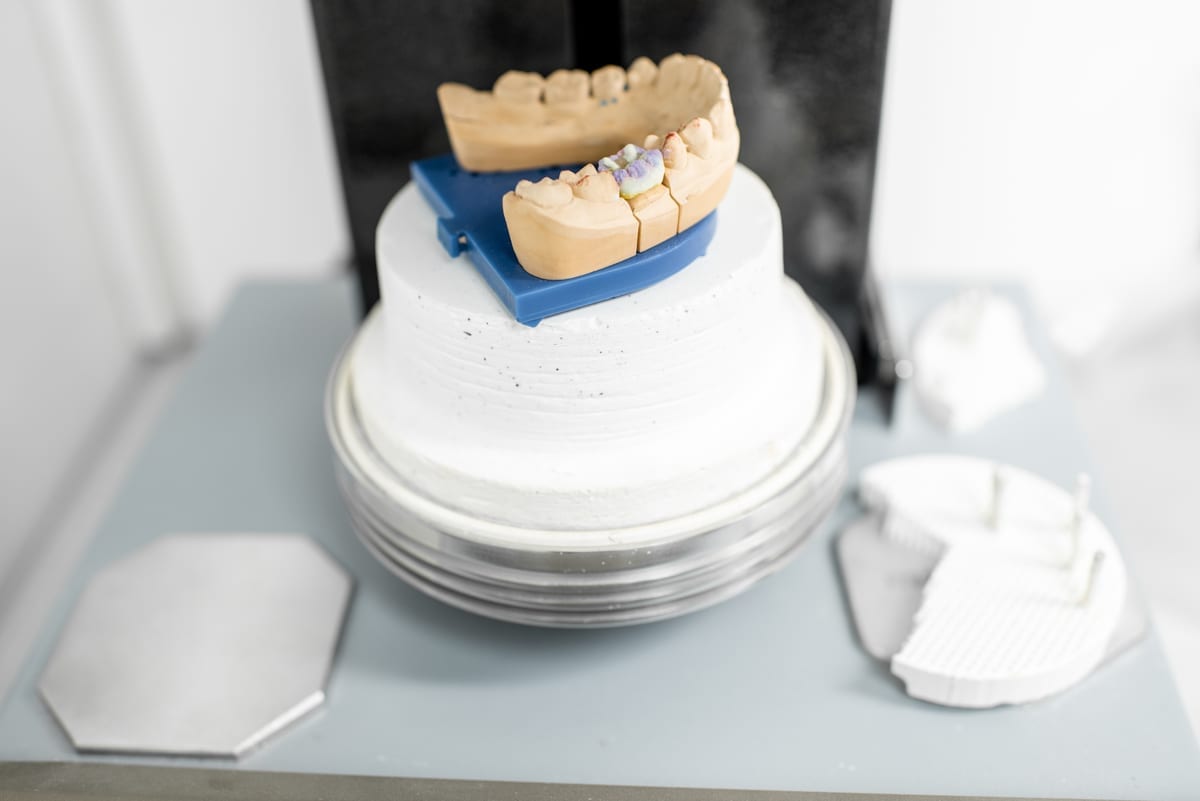
Choosing between a crown and a veneer can feel confusing. Both restore your smile, but they serve very different purposes. Understanding crowns vs. veneers — when your dentist recommends each one in Austin — helps you walk into your appointment with confidence. Dr. Aleeahna Phan at Daylight Dental South Austin guides patients through this decision every day using clear, clinical reasoning.
What Is a Dental Crown and What Does It Actually Do?
A dental crown covers the entire visible tooth above the gumline. Think of it as a protective cap. It restores a tooth’s shape, strength, and function when the structure has been significantly compromised.
Dentists typically recommend crowns in situations like these:
- A tooth has a large cavity that a filling cannot repair
- A tooth is cracked or broken and at risk of splitting further
- A tooth has had a root canal and needs protection
- A tooth is severely worn down from grinding
- A dental implant or bridge needs a final restoration
Crowns work on front and back teeth. They handle serious biting pressure well. The goal is always to save the natural tooth structure while restoring full function.
What Is a Veneer and When Does It Make More Sense in Austin?
A veneer is a thin porcelain shell bonded only to the front surface of a tooth. It improves appearance without covering the entire tooth. This makes it a Cosmetic Dentistry Austin solution rather than a structural one.
Dr. Phan recommends veneers when the underlying tooth is healthy. The patient simply wants to improve color, shape, or size. Common veneer candidates include:
- Teeth with stubborn stains that whitening cannot fix
- Slightly chipped or uneven front teeth
- Teeth with small gaps between them
- Front teeth that appear too short or irregularly shaped
Veneers require removing a small amount of enamel from the front surface. This is permanent, but it is far less invasive than crown preparation. Because less tooth structure is removed, veneers are a conservative choice when structure is intact.
The Clinical Reasoning Behind Crowns vs. Veneers — What Your Austin Dentist Considers
When Dr. Phan evaluates your tooth, she looks beyond the surface. The decision between a crown and veneer depends on several clinical factors. Understanding these factors helps patients see why the recommendation is always individualized.
Structural integrity is the first consideration. A tooth that is largely intact can support a veneer. A tooth with significant decay, cracks, or missing structure needs a crown. Placing a veneer on a structurally weak tooth would be like painting over a crack in a wall — it hides the problem without fixing it.
Location in the mouth matters too. Back teeth endure far greater chewing forces than front teeth. Veneers are rarely placed on molars for this reason. Crowns handle that stress much better.
The bite plays a critical role. Patients who grind their teeth or have a deep bite may not be good veneer candidates. The porcelain could chip or fail under heavy pressure. A crown offers better long-term durability in those cases.
Existing damage guides the decision. If a tooth already has a large old filling or significant decay, a crown makes more clinical sense. A veneer simply cannot bond well to a tooth with that much compromised structure.
Can You Get Both? What Combination Cases Look Like
Some patients need crowns on some teeth and veneers on others. This is actually common in full smile makeovers. The teeth with structural issues get crowns. The healthy teeth that simply need cosmetic refinement get veneers.
The result is a smile that looks cohesive and natural. Dr. Phan takes great care to match shades and shapes across restorations. Patients often cannot tell the difference between their crowns and veneers once both are placed.
If a tooth urgently fractures or becomes painful before your cosmetic work begins, that changes the priority. You may need to address that tooth first as an Emergency Dentistry Austin case before moving forward with planned veneers nearby.
What to Expect at Your Consultation at Daylight Dental South Austin
At Daylight Dental South Austin, consultations begin with a thorough exam. Dr. Phan reviews X-rays and assesses each tooth individually. She explains her findings in plain language before any treatment is discussed.
You will never feel pressured toward one option. The recommendation will always reflect what is clinically best for your specific situation. If a veneer is sufficient, Dr. Phan will say so. If a crown is necessary, she will explain exactly why.
Austin patients appreciate this honest, educational approach. You leave the consultation understanding your options and confident in your care plan. Transparency is a core part of how Daylight Dental South Austin operates.
Conclusion
The choice between a crown and a veneer is never arbitrary. It is always guided by the condition of the tooth, the location in the mouth, and your bite habits. Knowing the difference helps you have a more informed conversation with your dentist. Whether you need structural restoration or cosmetic refinement, Dr. Aleeahna Phan at Daylight Dental South Austin is here to help. Book Now to schedule your appointment with our team.
Frequently Asked Questions
How long do crowns and veneers typically last?
Dental crowns generally last 10 to 15 years with proper care. Porcelain veneers typically last 10 to 12 years. Both can last longer with good oral hygiene and regular dental visits. Your habits, like grinding or biting hard foods, also affect longevity.
Does getting a crown or veneer hurt?
Neither procedure is painful during treatment. Your dentist uses local anesthesia to keep you comfortable throughout. Some patients experience mild sensitivity afterward, but this typically fades within a few days. Over-the-counter pain relievers are usually sufficient for any post-procedure discomfort.
Can a veneer be placed over a tooth that already has a filling?
It depends on how large the filling is. Small existing fillings do not necessarily rule out a veneer. However, if the filling covers a significant portion of the tooth, a crown may be the more reliable choice. Dr. Phan evaluates each tooth individually to give the most appropriate recommendation.
Is teeth whitening an option before getting veneers or crowns?
Whitening should be done before veneers or crowns are fabricated, not after. Crowns and veneers do not respond to whitening agents. Your restorations will be color-matched to your whitened teeth for the best cosmetic result. Timing is important, so discuss this with Dr. Phan during your consultation.
Are veneers only for front teeth?
Veneers are designed primarily for front teeth. They are not recommended for molars or teeth that endure heavy chewing forces. Back teeth that need restoration almost always require crowns instead. Dr. Phan will identify the right restoration based on each tooth’s position and function.