

Why Your Root Canal Cost Differs From Your Neighbor’s

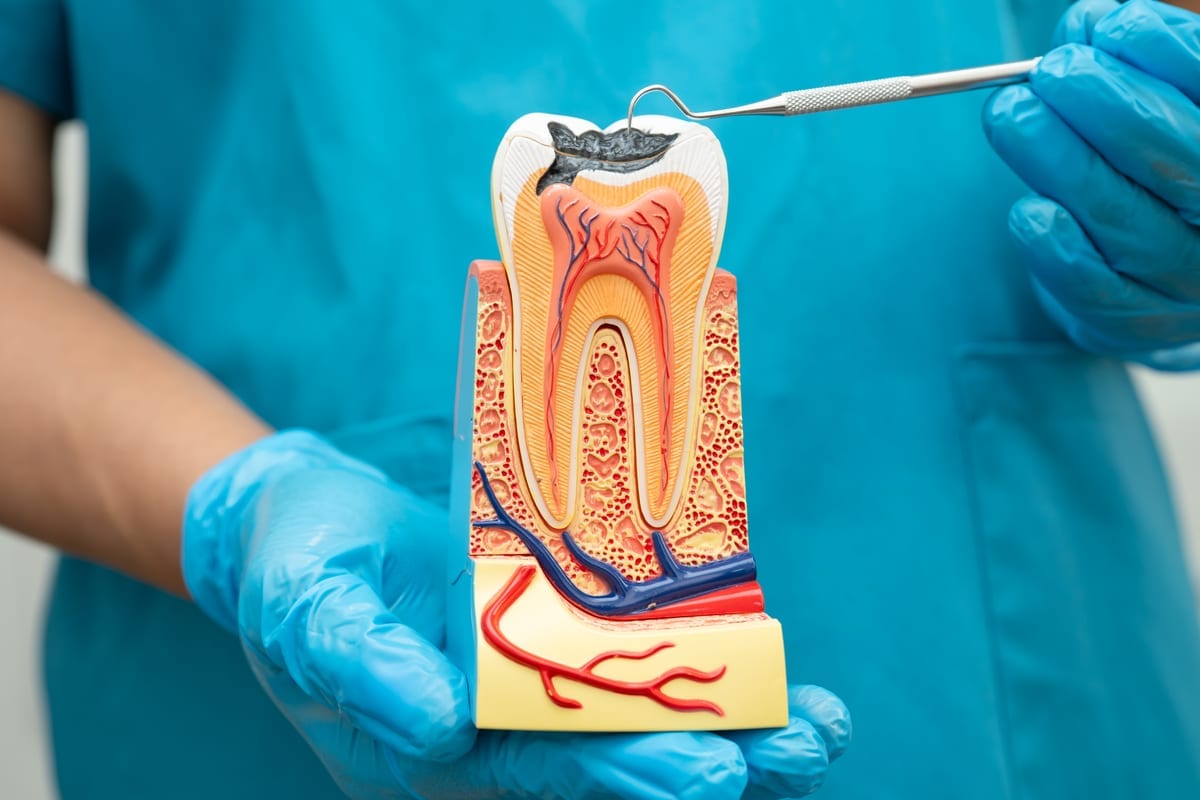
You and your neighbor both need a root canal. You both go to different dental offices here in Austin. Yet when you compare notes, the costs are surprisingly different. Understanding why your root canal cost differs from your neighbor’s in Austin can help you make more informed decisions about your dental care.
The truth is, root canal treatment is not a one-size-fits-all procedure. Several factors shape the final cost — and most of them have nothing to do with the dental practice’s location or pricing preferences. Let’s walk through what actually drives those differences.
Tooth Location Changes Everything About Root Canal Cost in Austin
The type of tooth being treated is one of the biggest cost factors. Front teeth, called incisors or canines, typically have a single root canal. That makes the procedure more straightforward.
Molars, on the other hand, can have three or four separate canals. Each canal must be cleaned, shaped, and sealed individually. That added complexity takes more time and skill.
Premolars fall somewhere in between. They usually have one or two canals. The more canals involved, the more detailed the treatment becomes — and that is reflected in the overall cost.
- Front teeth (incisors/canines): Single root, simpler procedure
- Premolars: One to two roots, moderate complexity
- Molars: Three to four roots, most complex treatment
So if your neighbor needed a front tooth treated and you needed a molar, that difference alone explains a significant portion of the cost gap.
Complexity and Condition of the Tooth Play a Major Role
Two people can have the same tooth treated and still face very different levels of complexity. The condition of the tooth at the time of treatment matters greatly.
A tooth with a curved or calcified root canal is harder to treat. Infections that have spread beyond the root tip require more thorough care. Previous dental work, like an existing crown or prior root canal, can also complicate the procedure.
Patients who delayed treatment often experience more advanced infections. That can mean additional steps before or during the root canal. Early treatment generally means a simpler, more predictable procedure.
- Curved or narrow canals require specialized instruments
- Calcified canals take longer to navigate safely
- Retreatment of a previous root canal adds complexity
- Bone loss from infection may require additional evaluation
At Daylight Dental South Austin, Dr. Aleeahna Phan carefully evaluates each case before treatment begins. That assessment helps patients understand the scope of their specific procedure.
General Dentist vs. Endodontist: Who Performs the Procedure
Another major factor is who performs the root canal. General dentists can perform root canals on many types of teeth. Endodontists are specialists who focus exclusively on treating the inner structures of teeth.
Endodontists often charge more due to their advanced training and specialized equipment. However, not every case requires a specialist. Many straightforward root canals are handled effectively by a skilled general dentist.
When a case is complex — such as a curved molar canal or a retreatment situation — a referral to an endodontist may be necessary. In those cases, the specialist’s fee is part of the overall treatment cost.
Dr. Phan evaluates each patient’s needs honestly. If a case can be handled in-office safely and effectively, that is often the most convenient and cost-efficient path for the patient.
Additional Treatments That May Be Needed After a Root Canal
Root canal treatment itself is just one part of the full restoration process. After the canal is cleaned and sealed, the tooth typically needs additional work to function properly long-term.
Most teeth treated with a root canal require a dental crown afterward. The crown protects the tooth structure and restores its strength. That is an additional procedure with its own associated cost.
In some cases, a dental post is placed inside the canal to support the crown. If significant decay is present, additional buildup material may be needed before crown placement. Each of these steps adds to the total investment.
Understanding the full scope of treatment — not just the root canal itself — gives patients a clearer picture of total costs. Dr. Phan and our team walk every patient through a complete treatment plan before any work begins.
Technology and Equipment Used at the Dental Practice
The tools and technology a dental office uses can also influence cost. Digital X-rays, cone beam CT scans, and operating microscopes improve accuracy and outcomes. They also represent significant investments by the practice.
Offices using advanced imaging can detect problems that standard X-rays might miss. That leads to more precise treatment and fewer complications. Patients benefit from higher quality care — even if the initial cost is slightly higher.
Rotary endodontic instruments, for example, make canal shaping faster and more consistent. Practices that invest in these tools often deliver smoother procedures with faster recovery times. The value of that technology is built into the treatment cost.
When a Dental Emergency Leads to Root Canal Treatment
Some patients discover they need a root canal during a dental emergency. Severe tooth pain, swelling, or trauma can require same-day evaluation and treatment. In those cases, emergency care fees may apply alongside the root canal cost.
If you are experiencing sudden dental pain in Austin, seeking care promptly is always the right move. Delaying treatment almost always increases both complexity and cost. Emergency Dentistry Austin services at Daylight Dental South Austin are designed to get you seen quickly and treated effectively.
Once the immediate issue is stabilized, Dr. Phan can outline the full treatment plan. That includes all steps needed to restore the tooth to full health and function.
How Root Canal Treatment Compares to Tooth Extraction and Replacement
Some patients wonder whether extraction is a cheaper alternative. In the short term, removing the tooth may cost less. But replacing a missing tooth often costs significantly more over time.
Options like dental implants, bridges, or partial dentures each carry their own costs. Preserving a natural tooth with a root canal is often the most cost-effective long-term solution. It also maintains proper bite alignment and jawbone health.
For patients exploring tooth replacement after extraction, our team can also discuss options related to Cosmetic Dentistry Austin solutions that restore both function and appearance. Every patient’s situation is unique, and we tailor our recommendations accordingly.
Making Sense of Root Canal Costs in Austin
Root canal costs vary because every patient, every tooth, and every clinical situation is different. Tooth type, canal complexity, provider experience, required technology, and follow-up restorations all contribute to the final number. Understanding these factors helps patients feel confident rather than confused when reviewing a treatment plan.
At Daylight Dental South Austin, Dr. Aleeahna Phan is committed to transparent, patient-centered care. We explain every step of the process before treatment begins. Our goal is to make sure you feel informed, comfortable, and supported throughout your care. Book Now to schedule your appointment with our team.
Frequently Asked Questions
Why does a root canal on a molar cost more than on a front tooth?
Molars have more root canals — sometimes three or four — compared to just one in a front tooth. Each canal must be individually cleaned, shaped, and sealed, which takes more time and skill. That added complexity is reflected in the higher cost for molar root canals.
Do I always need a crown after a root canal?
In most cases, yes. A root canal removes the inner pulp, which can leave the tooth more brittle over time. A crown protects the remaining tooth structure and restores full chewing function. Dr. Phan will let you know exactly what your tooth needs after the root canal is complete.
Is a root canal more expensive if I go to a specialist?
Endodontists specialize exclusively in root canal treatment and typically charge more than general dentists. However, not every case requires a specialist. Dr. Phan can handle many root canals in-office and will refer you to a specialist only when your specific case requires that level of expertise.
Does delaying a root canal make it more expensive?
Yes, in most cases. When an infection spreads or the tooth deteriorates further, the procedure becomes more complex. More advanced cases take longer and may require additional treatments. Addressing the issue promptly is almost always better for both your health and your wallet.
Can I ask for a full cost breakdown before my root canal?
Absolutely. At Daylight Dental South Austin, we provide a complete treatment plan before any procedure begins. That includes all anticipated steps — from the root canal itself to any needed restoration like a crown. We want you to feel fully informed before making any decisions.